Services
I provide counseling services to wide range of issues and challenges. Here are a few of the areas that I commonly address:AnxietyADHDAutism Spectrum DisorderDepressionLife Adjustment (Divorce, Grief, Adoption)TraumaAnger Management Issues/Disruptive Behavior DisordersSelf Esteem and IdentityDevelopmental Delays
The first time we meet together will be spent gathering information regarding your child’s current symptoms, their mental health and medical history, family medical and mental health history. We will also spend time creating a treatment plan together. Please come prepared with your insurance card and a form of identification as well.
Intake Process
Parent Consultation
Parent consultations are an important part of child and adolescent therapy. These sessions provide an opportunity for parents or caregivers to discuss concerns, receive guidance, review progress, and learn strategies to support their child's emotional and behavioral well-being at home. By working collaboratively, therapists and families can help create a consistent and supportive environment that promotes growth and positive change.
Individual Therapy Sessions
Individual therapy once a week or more depending on the severity of current issues. Each session will last between 45-55 minutes.
-
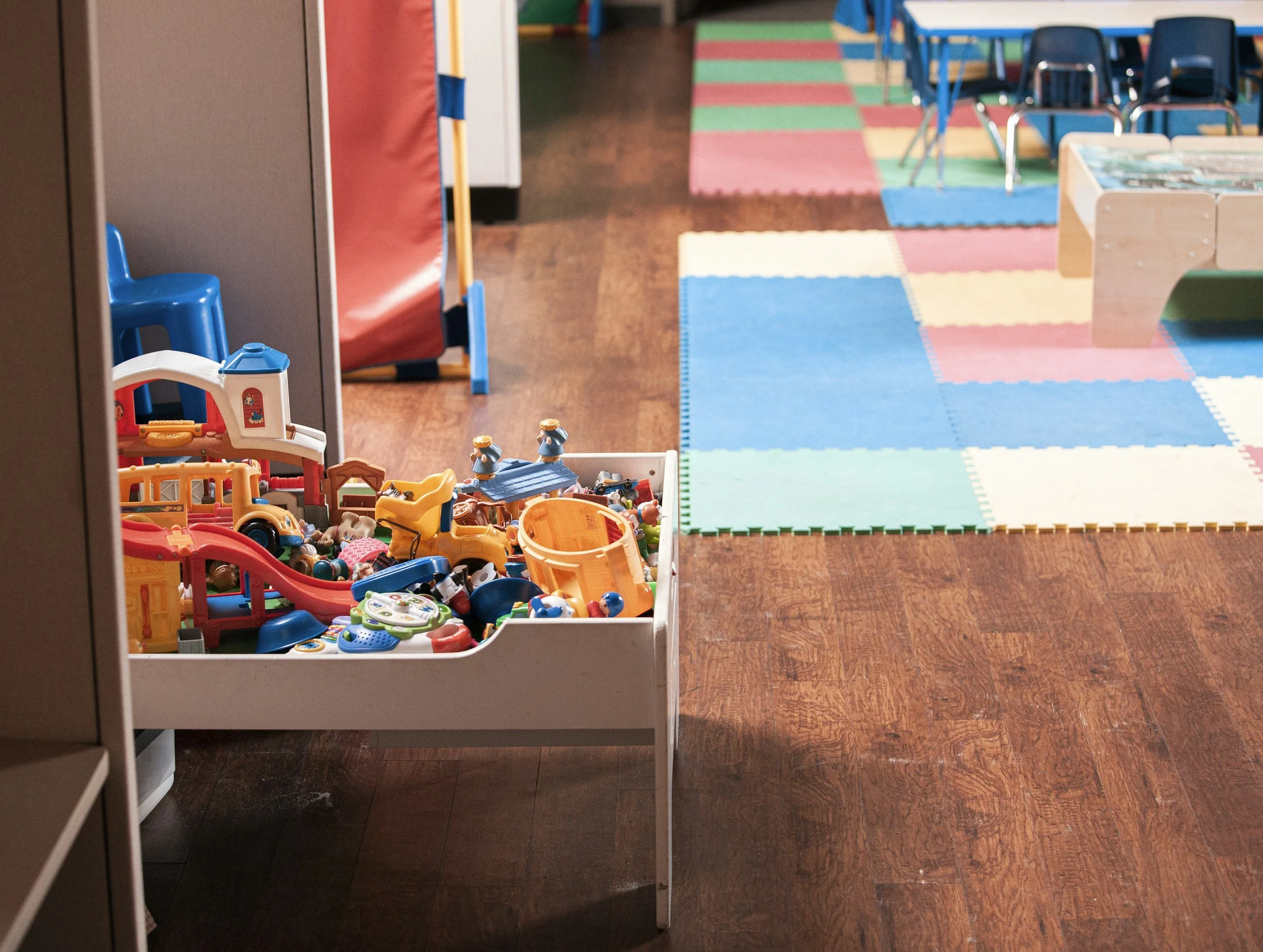
According to the Association for Play Therapy (APT), play therapy uses a structured therapeutic approach that helps clients address emotional and social challenges through play. Play and expressive arts therapies allow children to explore and express their feelings in developmentally appropriate ways and are most commonly used with ages 3–12, though they can benefit clients of any age.
-
Cognitive Behavioral Therapy (CBT) is an evidence-based approach that helps clients identify and change unhelpful thoughts, feelings, and behaviors. CBT focuses on developing practical coping skills, improving emotional well-being, and creating healthier patterns of thinking and behavior. It can be effective for concerns such as anxiety, depression, stress, trauma, and life transitions.
-
Dialectical Behavior Therapy (DBT) is a skills-based approach that helps clients manage intense emotions, improve relationships, and cope with stress in healthy ways. DBT focuses on four key areas: mindfulness, distress tolerance, emotion regulation, and interpersonal effectiveness. It is often used to support individuals experiencing anxiety, depression, emotional dysregulation, self-destructive behaviors, and relationship challenges.
-
Trauma-Focused Cognitive Behavioral Therapy (TF-CBT) is an evidence-based treatment designed to help children, adolescents, and their caregivers heal from the effects of trauma. TF-CBT combines cognitive-behavioral techniques with trauma-sensitive interventions to help process difficult experiences, develop coping skills, reduce emotional distress, and strengthen family support. It is commonly used to address the impact of abuse, violence, loss, accidents, and other traumatic events.
-
Internal Family Systems (IFS) is a therapeutic approach that helps clients understand and heal different “parts” of themselves. IFS views the mind as made up of distinct parts that can carry emotions, beliefs, and experiences, while the core Self serves as a source of compassion, wisdom, and healing. This approach helps clients build self-awareness, process difficult experiences, and develop greater emotional balance and self-acceptance.
-
Somatic Therapy is a body-centered approach that helps clients understand and heal the connection between their physical sensations, emotions, and experiences. By increasing awareness of the body's responses, clients can process stress, trauma, and emotional challenges in a safe and supportive way. Somatic therapy promotes nervous system regulation, emotional resilience, and a greater sense of connection to oneself.
-
Person-Centered Therapy is a compassionate, client-focused approach that emphasizes empathy, acceptance, and genuine connection. In a supportive and nonjudgmental environment, clients are encouraged to explore their thoughts, feelings, and experiences at their own pace. This approach helps foster self-awareness, personal growth, confidence, and the ability to make meaningful life changes.